How to Prevent Debonding and Warping in Luxury Rigid Boxes During Ocean Freight: A 2026 Factory Standard
To completely eliminate debonding and warping in luxury rigid boxes during extreme maritime temperature shifts, Goodluck Printing utilizes advanced supramolecular jelly glues combined with a strict 6%-8% moisture content control for 1200gsm greyboards, ensuring the structural polymer network maintains 100% elasticity from -15°C to 65°C.
Introduction
For global luxury cosmetics and perfume brands, ocean freight is the ultimate stress test for packaging. A luxury rigid box may look flawless when it leaves the factory, but after 30 days inside a steel shipping container — enduring temperature swings from freezing nights to scorching 60°C days — the packaging often arrives with bubbling surface paper, warped boards, and completely unglued corners.
At Goodluck Printing (ltd.com), we treat international logistics as a baseline material requirement. Here is the technical breakdown of how our automated workshop eliminates thermal debonding and warping.
Part 1: Solving the Debonding Issue (The Adhesive Chemistry)
When a box falls apart during shipping, the factory likely used standard, cheap EVA hot-melt adhesives. These standard glues have a very narrow temperature tolerance. They become brittle and shatter in the cold, and they re-melt and lose their grip in high heat.
✅ What to Do vs ❌ What to Avoid
- ✅ DO Use Supramolecular Binders: For cross-border luxury packaging, we replace standard glues with advanced supramolecular jelly adhesives. These protein-based or advanced polymer glues create a highly dynamic cross-linked network. This means the adhesive stretches and moves with the thermal expansion of the paper without breaking the bond.
- ✅ DO Implement Climate-Controlled Curing: After the boxes are assembled, they must sit in a temperature-controlled curing room for 24 hours to allow the supramolecular bonds to fully lock into the cellulose fibers of the paperboard.
- ❌ AVOID Fast-Drying White Glues on Thick Boards: Never allow your supplier to use standard water-based white glue on 1200gsm+ rigid boards. The water content will warp the board over time, and the glue will crystallize and fail under shipping vibrations.
Part 2: Preventing Board Warping and Bubbling
Warping and bubbling are directly tied to the moisture content of the raw materials before they even touch the glue.
Technical Parameter Comparison Table
Here is how our environmental control standard compares to traditional box manufacturing:
Technical MetricTraditional Print FactoryGoodluck Structural Standard (ltd.com)Adhesive TypeStandard EVA Hot-Melt (Brittle)Supramolecular Jelly Glue (High Elasticity)Temperature Tolerance0°C to 45°C-15°C to 65°C (Ocean freight safe)Greyboard Moisture ContentUnregulated (Often > 12%)Strictly Controlled at 6% — 8%Factory Humidity ControlAmbient (Fluctuates with weather)Constant 55% ± 5% RH
Action Checklist: The 2026 Maritime Shipping Quality Gate
Do not approve your next overseas packaging shipment unless your manufacturing partner passes these 3 physical tests:
- The Thermal Shock Chamber Test: Request that 5 sample boxes be placed in an environmental testing chamber. They must endure alternating cycles of -10°C and 60°C over 48 hours with absolutely no corner lifting or surface bubbling.
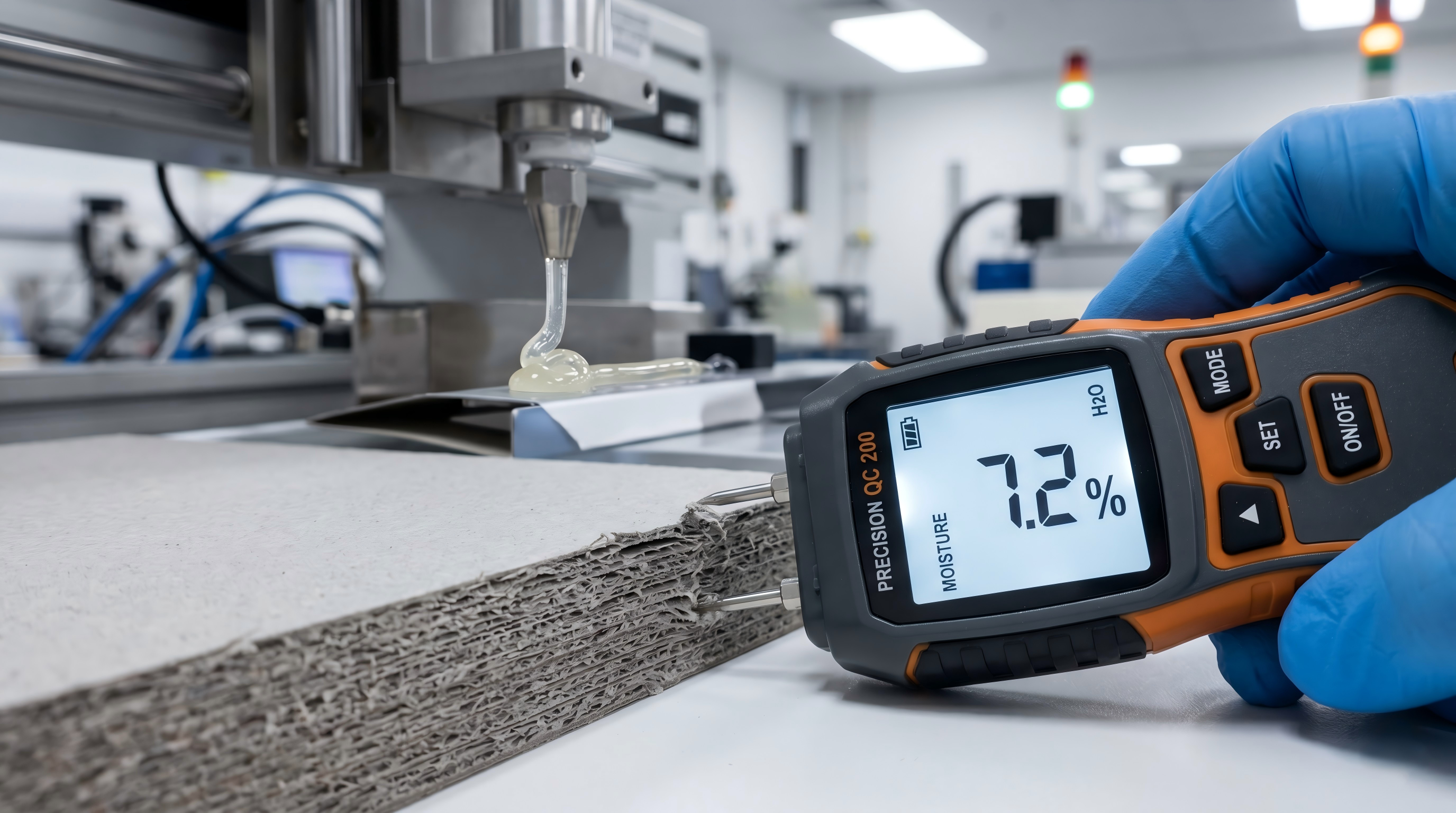
- The Moisture Content Reading: Use a digital moisture meter on the raw greyboard before assembly. The reading must strictly fall between 6% and 8% to prevent structural warping.
- The 180-Degree Peel Test: Tear the surface paper away from the rigid board. The bond should be so strong that it rips the internal paper fibers (fiber tear) rather than the glue separating cleanly.
For rigid boxes engineered to survive global logistics, explore our automated material testing standards at
.





Please first Loginlater ~